Chicago on a Budget: How to Visit the City Without Overspending
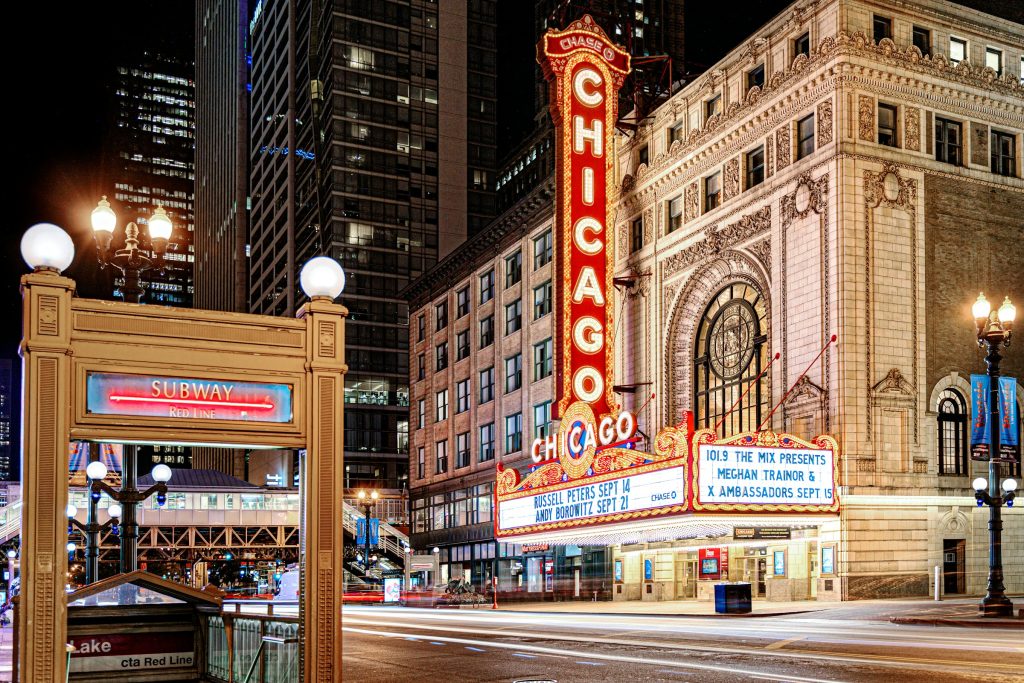
Chicago can look expensive at first, especially once accommodation, transport, and food start adding up across a large city with busy tourist districts. However, with the right neighborhoods, smart transit choices, and a focus on free attractions and affordable local food, visiting Chicago on a budget is far more realistic than many travelers expect.
Many of the city’s best experiences cost little or nothing, from lakefront parks to skyline viewpoints. Understanding where travelers overspend helps make the trip much more affordable.
Chicago Travel Budget Overview
Approximate Daily Spending
Budget travelers usually spend $90–130 per day, while a mid range trip often reaches $150–220.
Where Travel Budgets Increase Most
Accommodation and transportation usually create the biggest expenses, especially hotels in the Loop and frequent rideshare use.
Areas That Often Offer Better Value
Logan Square, Wicker Park, Uptown, and Edgewater usually offer the best balance between price and transit access.
How Most Visitors Get Around
Chicago is one of the few large U.S. cities where public transit works well. The CTA “L” and buses make getting around without a car practical.
Where Affordable Food Is Easy to Find
Budget friendly meals are easiest to find in pizza counters, diners, taco spots, food halls, and neighborhood cafés away from tourist areas.
Free Activities Worth Including
Free highlights include the Chicago Riverwalk, Millennium Park, Lincoln Park Zoo, and the Lakefront Trail.
A Common Way Travelers Overspend
A common mistake is renting a car without planning for downtown parking, which often costs more than expected.
Understanding the Real Cost of a Chicago Trip
Planning Chicago on a budget starts with understanding how daily expenses break down. Accommodation usually takes the largest share of the budget, followed by food and transportation. Fortunately, the city offers many free attractions and walkable neighborhoods that help keep costs lower.
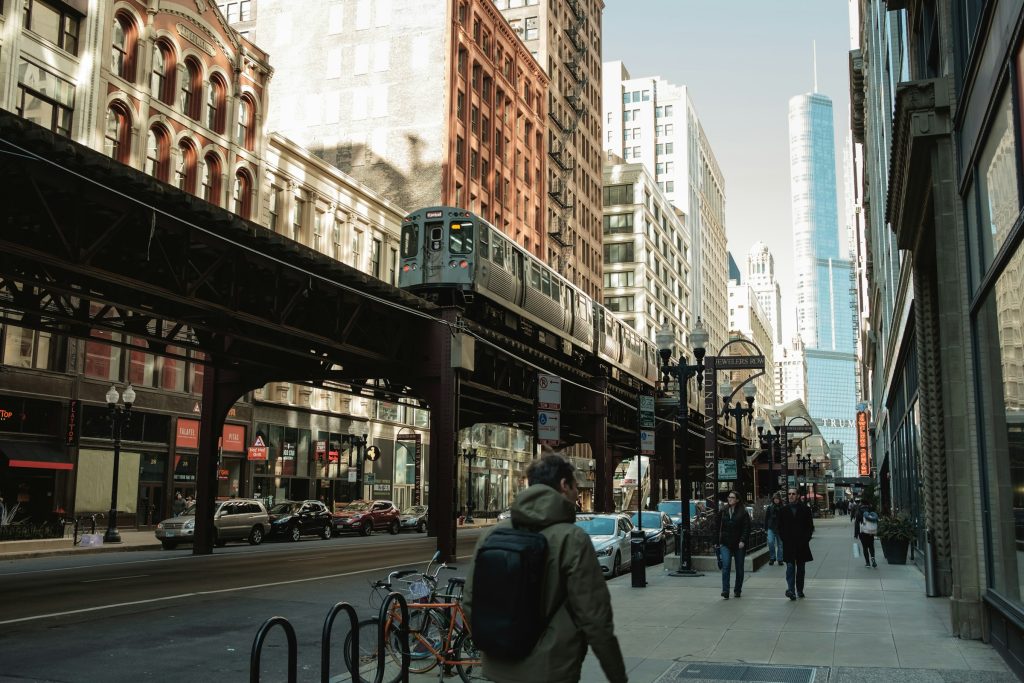
For travelers focused on visiting Chicago on a budget, daily spending often falls between $90 and $130. This usually includes a hostel bed or simple budget hotel, meals from diners, pizza spots, or food halls, public transportation through the CTA network, and mostly free attractions such as Millennium Park, the Chicago Riverwalk, or lakefront parks.
A more comfortable travel style typically reaches $150 to $220 per day. In this scenario, visitors often stay in budget hotels or private apartments, combine public transit with occasional rideshare trips, eat in casual restaurants, and include a few paid attractions such as museums or observation decks.
One detail that often surprises visitors during budget travel Chicago trips is that the final price in the United States is rarely the same as the price shown on menus or price tags. In Chicago, sales tax is added at checkout, and restaurant bills usually include a tip of about 15 to 20 percent for service. Because of this, meals and services frequently cost more than the listed price.
Accommodation can also include additional charges such as service fees, cleaning fees, or parking costs, particularly in hotels and short term rentals. Checking the full price breakdown before booking helps travelers avoid unexpected increases in the total trip budget and makes how to visit Chicago on a budget much easier to manage.
Affordable Neighborhoods to Stay in Chicago
Accommodation is often the largest expense when planning budget travel Chicago, and prices vary widely depending on location. Areas in the central Loop and near the Magnificent Mile tend to be the most expensive, while neighborhoods slightly farther from downtown often offer better value. Choosing places with good CTA train access helps reduce transportation costs and keeps travel times manageable.
Logan Square
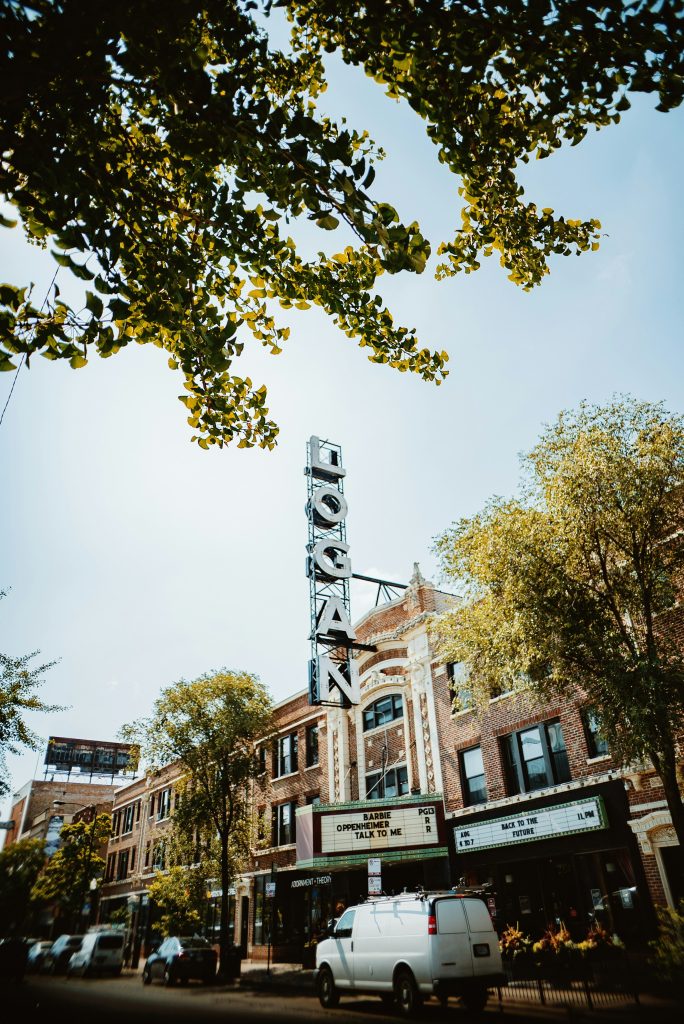
Who it suits
- Travelers looking for lower accommodation prices
- Visitors interested in local cafés, nightlife, and independent shops
- Budget travelers comfortable staying outside the main tourist districts
Transport connections
- Direct access to the CTA Blue Line
- Easy connection to downtown Chicago and O’Hare Airport
Safety
- Generally busy and residential with active local nightlife
- Staying near main streets and transit stations is usually more convenient for visitors
Time to central areas
About 20 minutes to the Loop by train
Typical accommodation types
- Small hotels
- Apartment rentals
- Private rooms
Local booking tip
Staying close to a Blue Line station can reduce the need for rideshare trips across the city.
Wicker Park
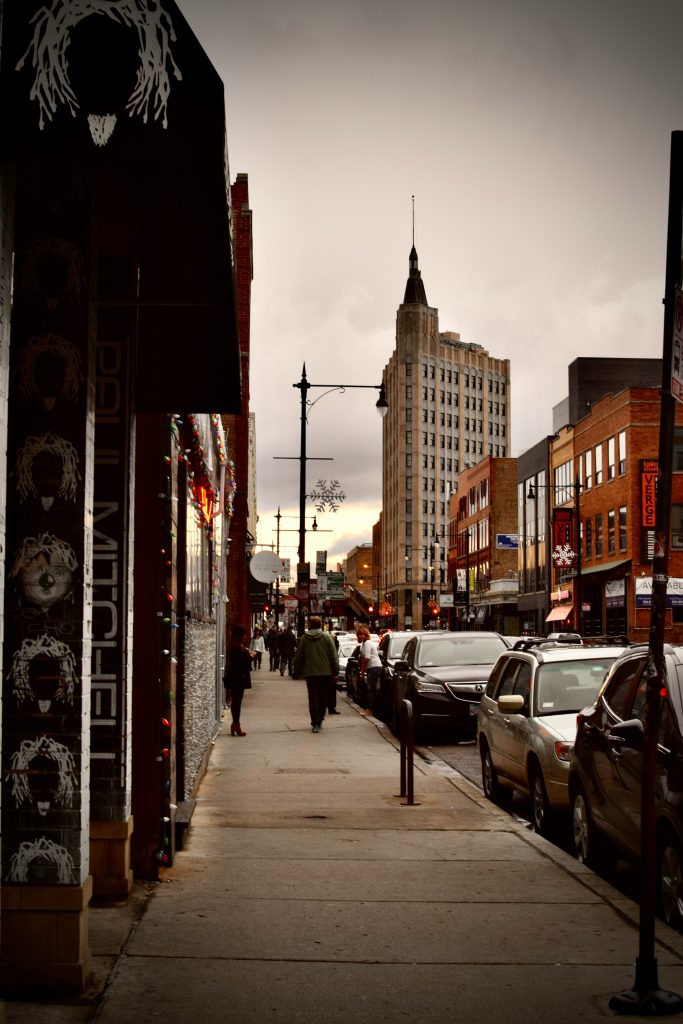
Who it suits
- Travelers who want a lively neighborhood atmosphere
- Visitors interested in restaurants, music venues, and local shops
Transport connections
- CTA Blue Line provides direct access to downtown Chicago
- Several bus routes also serve the area
Safety
- Popular nightlife district with busy streets in the evening
- Main commercial areas tend to stay active late into the night
Time to central areas
Around 15 minutes to the Loop by train
Typical accommodation types
- Boutique budget hotels
- Apartment rentals
- Guest rooms
Local booking tip
Accommodation prices here often rise during summer weekends because of events and nightlife.
Uptown
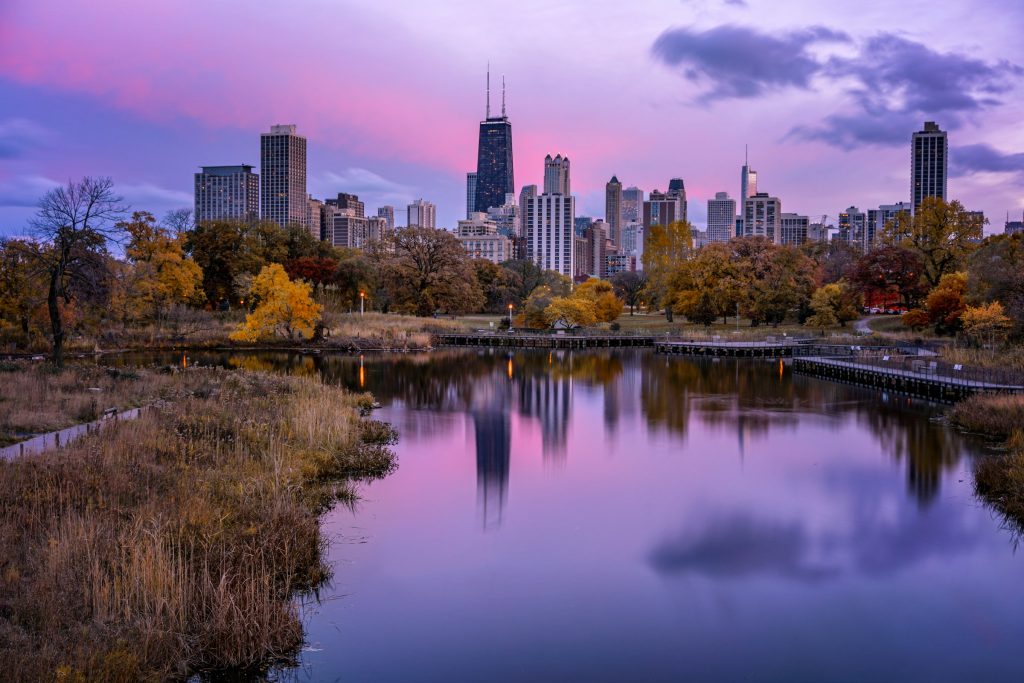
Who it suits
- Travelers looking for lower accommodation costs near the lake
- Visitors who prefer a quieter atmosphere than downtown
Transport connections
- CTA Red Line connects Uptown directly with downtown Chicago
- Multiple bus routes operate along the lakefront
Safety
- Active residential neighborhood with busy streets near transit stations
- Choosing accommodation close to main avenues is usually recommended
Time to central areas
Around 20 minutes to the Loop by train
Typical accommodation types
- Budget hotels
- Motels
- Apartment rentals
Local booking tip
Hotels farther from the lakefront are often cheaper than those near the shoreline.
Edgewater
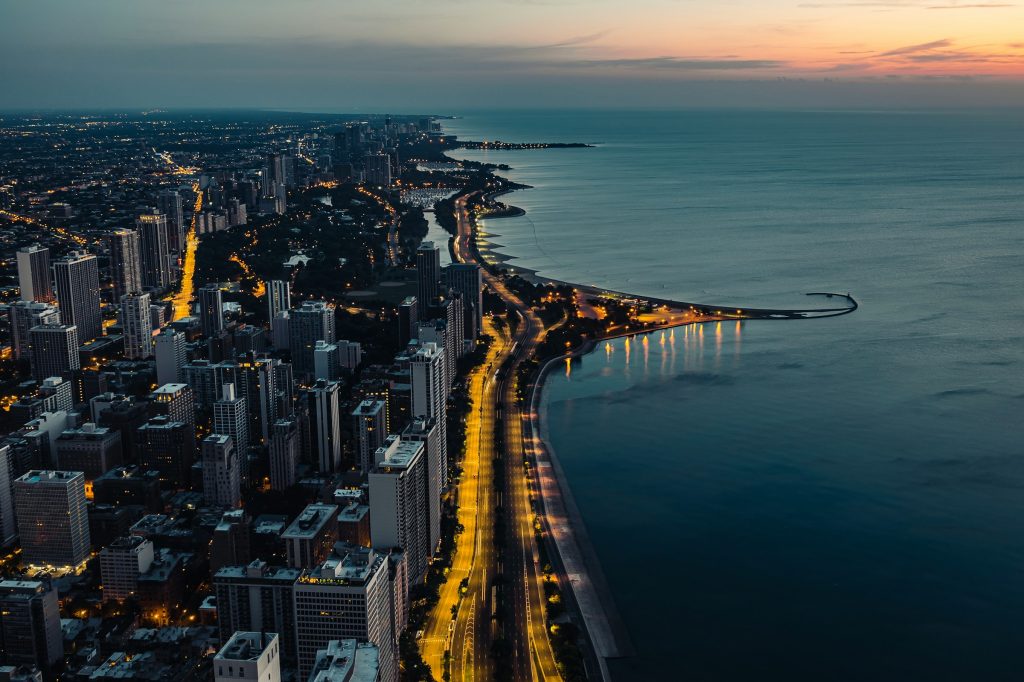
Who it suits
- Travelers searching for some of the lowest accommodation prices within city limits
- Visitors interested in lakefront parks and quieter residential streets
Transport connections
- CTA Red Line stations provide direct access to downtown
- Bus routes connect the neighborhood with nearby districts
Safety
- Mostly residential with a relaxed atmosphere
- Busy areas near transit stops and main streets are usually more convenient for visitors
Time to central areas
About 25 minutes to the Loop by train
Typical accommodation types
- Small hotels
- Apartment rentals
- Private rooms
Local booking tip
Staying near the Red Line helps keep transportation simple and affordable throughout the trip.
Getting Around Chicago on a Budget
Transportation can influence the overall cost of a trip, but Chicago is easier to navigate than many large U.S. cities. The city has one of the most extensive public transit systems in the country, and several central neighborhoods are highly walkable. Because of this, many visitors manage to explore Chicago without renting a car, which helps keep daily travel expenses lower.
Do You Actually Need a Car in Chicago
For most travelers planning how to visit Chicago on a budget, renting a car is usually unnecessary. Many of the city’s main attractions are located near CTA train stations or within walking distance of each other. Areas such as the Loop, Millennium Park, the Chicago Riverwalk, and parts of the lakefront can easily be explored on foot.
Driving in central Chicago often adds extra expenses. Downtown parking garages frequently charge high daily rates, and hotel parking can significantly increase accommodation costs. Because of this, many visitors rely on trains and buses instead of renting a car.
Using the CTA Train and Bus System
Chicago’s public transportation network is operated by the Chicago Transit Authority (CTA) and includes the elevated train system known locally as the “L.” Together with the city’s bus network, it connects most major districts and tourist areas.
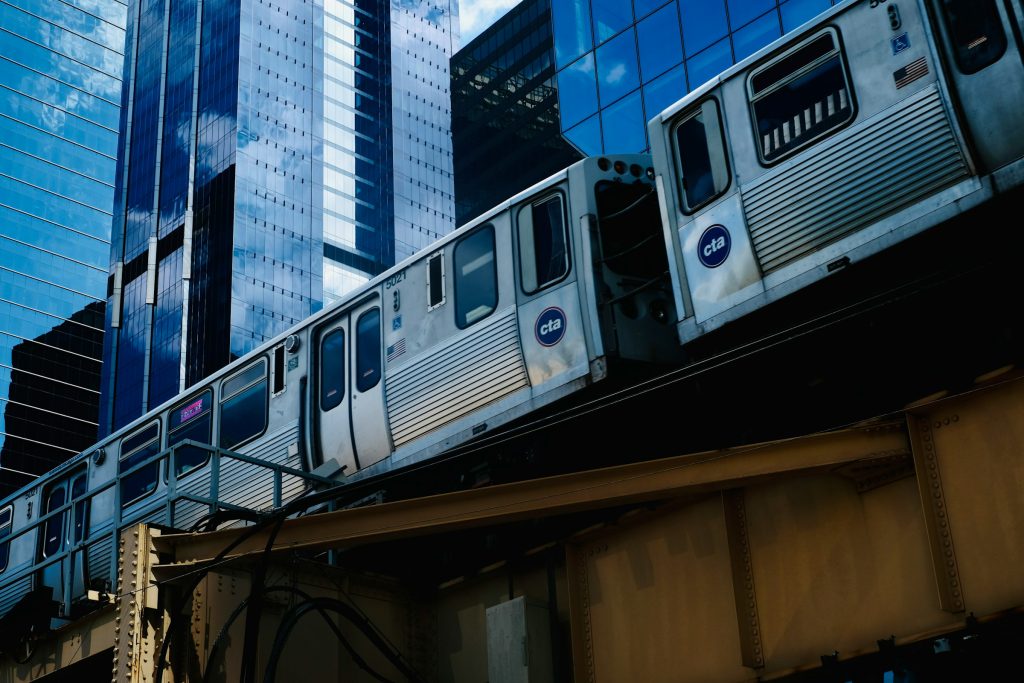
The CTA train network links important parts of the city including downtown Chicago, Logan Square, Wicker Park, Uptown, and several lakefront neighborhoods. Many lines pass through the Loop, making transfers between routes relatively easy.
Travelers usually use a Ventra card or mobile ticket to pay for transit rides. For visitors planning several trips per day, transit passes can help keep transportation costs lower throughout the trip.
When Uber or Lyft Makes Sense
Rideshare services such as Uber and Lyft are widely available across Chicago and can help cover shorter distances between transit stops and final destinations. They are also convenient late at night when train schedules become less frequent.
However, relying on rideshare for long trips across the city can quickly increase daily expenses. A common budget strategy is using CTA trains for the main part of the journey and rideshare only for short segments.
Cheapest Way From the Airport to Downtown
Chicago has two major airports, and both offer convenient rail connections to the city center.
From O’Hare International Airport, the CTA Blue Line provides a direct train route to downtown Chicago and several neighborhoods along the way. From Midway International Airport, the CTA Orange Line connects the airport with the Loop.
Using these train lines is usually much cheaper than taking taxis or rideshare services directly from the airport, making them one of the easiest ways to start visiting Chicago on a budget.
Eating Well in Chicago on a Budget
Food prices in Chicago vary widely depending on location. Restaurants near the Loop, Navy Pier, or Michigan Avenue often charge higher prices, while neighborhood spots a few blocks away usually offer much better value.
Chicago Hot Dog Stands and Pizza Counters
One of the easiest ways to eat affordably in Chicago is visiting classic hot dog stands and pizza counters. Chicago style hot dogs are served at small walk up counters throughout the city and usually cost far less than restaurant meals.
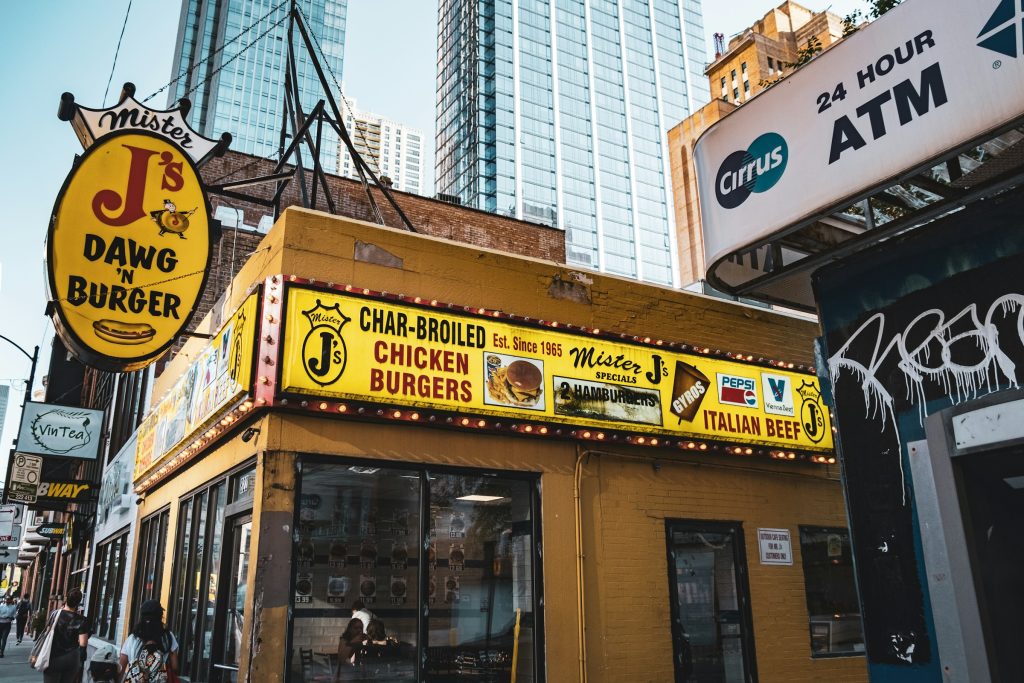
Many neighborhoods also have pizzerias selling slices or simple takeaway meals. While deep dish pizza is famous, locals often eat tavern style pizza or quick slices, which are usually cheaper and faster options for travelers trying to keep food spending low.
Food Halls and Market Style Dining
Food halls are another practical option because they bring multiple vendors together in one place. Revival Food Hall in the Loop and Time Out Market Chicago in Fulton Market are two well known locations where visitors can choose between different cuisines and price levels.
These markets provide casual seating and quick service, which makes them convenient stops between sightseeing locations.
Diners and Neighborhood Cafés
Chicago has a long tradition of diners and neighborhood cafés that serve filling meals at reasonable prices. Breakfast and lunch menus are often more affordable than dinner, making midday meals a good opportunity to save money.
Neighborhoods such as Logan Square, Uptown, and Wicker Park have many casual cafés where travelers can eat well without paying tourist district prices.
Happy Hour Deals Around the City
Many restaurants and bars across Chicago offer happy hour deals during the late afternoon. These promotions often include discounted appetizers or drinks, which can make restaurant meals more affordable.
Happy hour is especially common in neighborhoods with active nightlife, including River North, Wicker Park, and the West Loop.
Small Details That Affect the Final Bill
When planning food spending in Chicago, it is important to remember that the final bill is usually higher than the menu price. The city’s combined sales tax is around 10.25 percent, and restaurants generally expect a tip of about 15 to 20 percent for service.
Because of this, the actual cost of a meal is often noticeably higher than the listed price. Keeping these additional charges in mind helps travelers plan daily food budgets more realistically when visiting Chicago on a budget.
Free and Low Cost Things to Do in Chicago
Chicago offers many experiences that cost little or nothing, which makes it easier to balance a travel budget. Some of the city’s most memorable attractions come from outdoor spaces, lakefront views, and cultural institutions that allow free entry. Mixing free activities with a few paid attractions helps travelers explore the city without increasing daily expenses.
Millennium Park
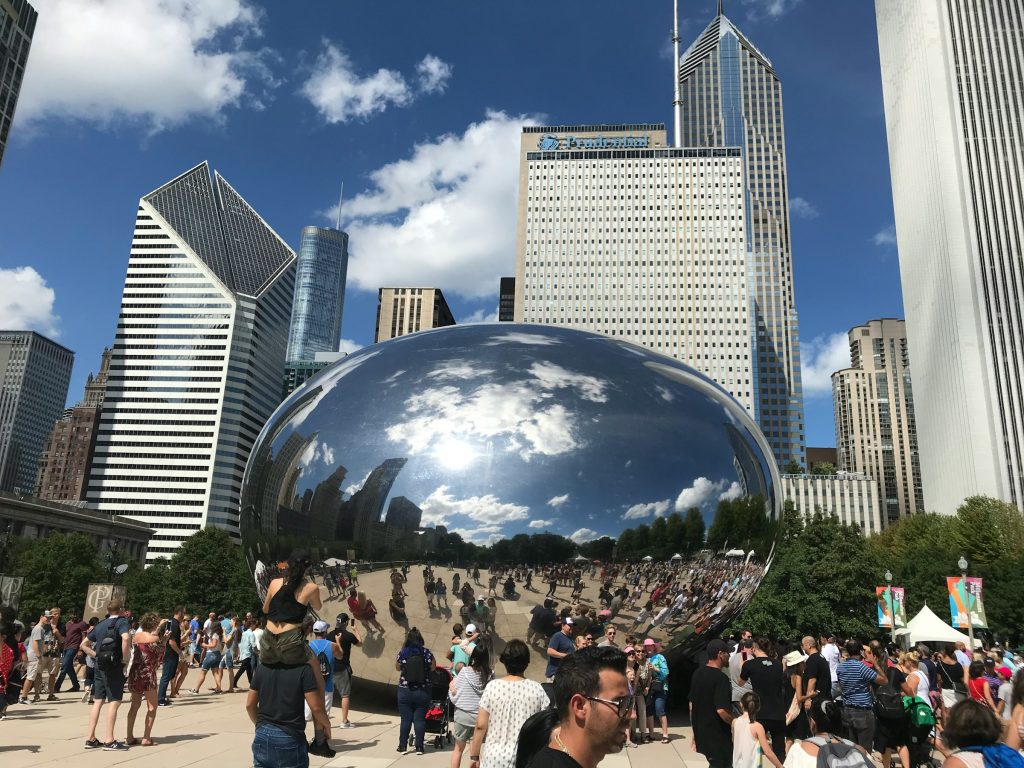
Millennium Park is one of Chicago’s most famous public spaces and home to Cloud Gate, often called “The Bean”.
Chicago Riverwalk
The Chicago Riverwalk is a scenic path along the river offering views of the city’s architecture.
Lincoln Park Zoo
Lincoln Park Zoo is one of the few major zoos in the United States that offers free admission. Located near the lakefront, it provides an opportunity to see a variety of animals while also enjoying nearby parks and walking paths.
Lakefront Trail
The Lakefront Trail runs for more than 18 miles along Lake Michigan and connects beaches, parks, and scenic viewpoints. Walking or cycling along the trail offers one of the best skyline views in the city.
Chicago Cultural Center
The Chicago Cultural Center hosts free exhibitions, concerts, and cultural events throughout the year. The building itself is also worth visiting because of its historic architecture and large stained glass dome.
Garfield Park Conservatory
Garfield Park Conservatory contains several indoor gardens filled with tropical plants and seasonal displays. Admission is free, although visitors are usually encouraged to make a small donation.

Navy Pier
Navy Pier is one of the most popular waterfront destinations in Chicago. While some attractions require tickets, visitors can walk along the pier, enjoy lake views, and watch public performances without paying for entry.
Chicago Architecture Views Along the River
Walking through downtown Chicago provides access to some of the city’s most impressive architecture. Bridges along the Chicago River and streets around the Loop offer excellent viewpoints for seeing historic and modern skyscrapers.
Public Beaches Along Lake Michigan
During warmer months, several public beaches along Lake Michigan are open to visitors. Beaches such as Oak Street Beach and North Avenue Beach provide lakefront views and open space without an entrance fee.
The 606 Trail
The 606 is an elevated trail built on a former railway line that runs through several neighborhoods on the Northwest Side. The path is popular for walking, jogging, and cycling, and it offers a different view of residential Chicago.
Museum Free Days
Several museums in Chicago occasionally offer free admission days for Illinois residents or discounted entry periods. Checking museum schedules before visiting can make it easier to include cultural attractions while staying within a budget.
Adding a few of these free experiences to the itinerary helps travelers explore the city more fully while keeping overall costs manageable during budget travel Chicago.
Budget Friendly Chicago Itineraries
Chicago is large, but many attractions are grouped in walkable districts connected by the CTA train system. Planning each day around a specific area helps reduce transportation costs and avoids unnecessary rideshare trips. These routes focus on places that are close to each other, allowing visitors to explore comfortably while keeping daily spending low.
1 Day in Chicago on a Budget
For a short visit, focus on the Loop, where several major attractions are within walking distance.
Start the morning at Millennium Park, where visitors can see Cloud Gate and the surrounding public spaces. From there, walk a few minutes to the Chicago Cultural Center, a historic building that hosts free exhibitions and public events.
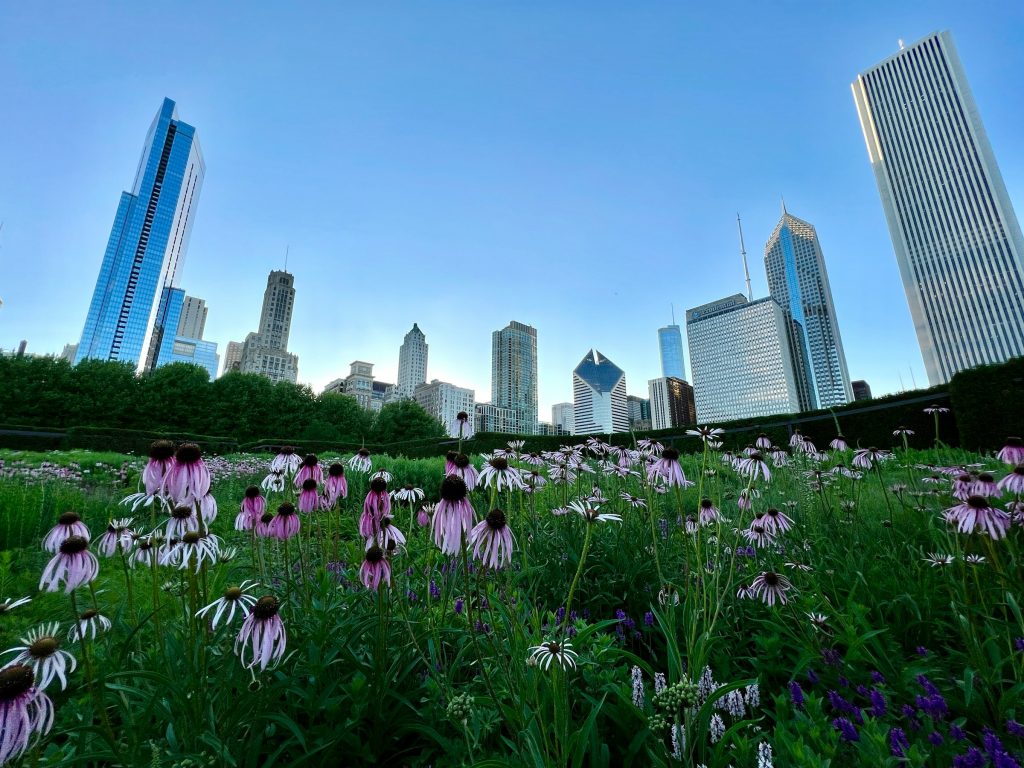
Continue toward the Chicago Riverwalk, which offers one of the best ways to experience the city’s architecture without paying for a boat tour. Around lunchtime, stop at Revival Food Hall in the Loop, where multiple vendors offer relatively affordable meals compared with nearby restaurants.
In the afternoon, walk north toward Oak Street Beach, where the skyline meets Lake Michigan. The nearby section of the Lakefront Trail provides one of the most scenic views of Chicago, especially near sunset.
2 Days in Chicago on a Budget
The second day works well when focusing on the Lincoln Park and Lakeview areas, which combine parks, cultural attractions, and lakefront views.
Start the morning at Lincoln Park Zoo, one of the few major zoos in the United States that offers free admission. After exploring the zoo, walk through nearby Lincoln Park, one of the city’s largest green spaces.
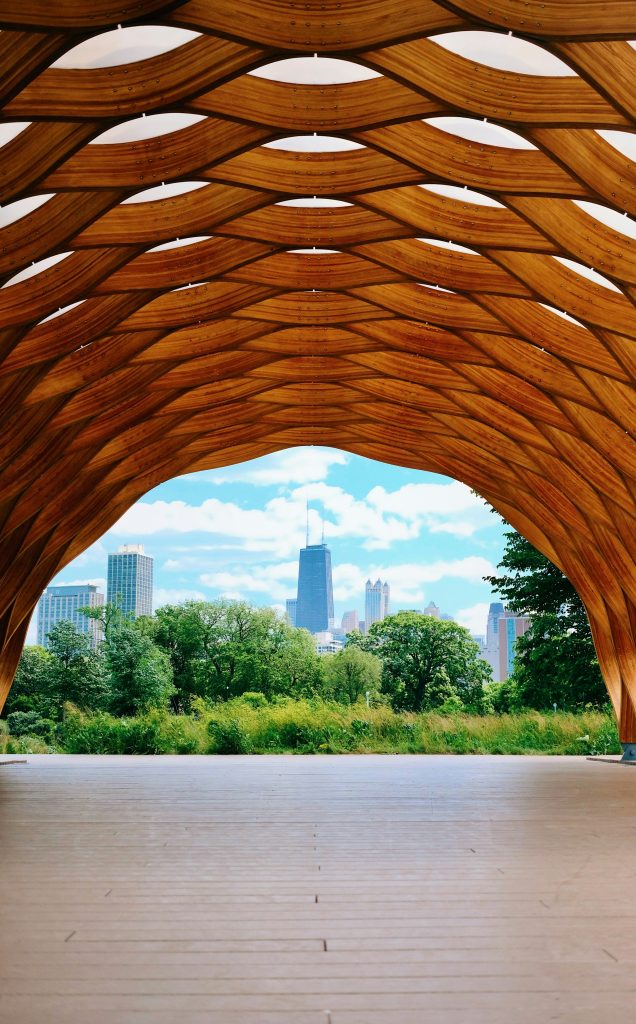
Continue to the Alfred Caldwell Lily Pool, a quiet historic garden located inside the park that can be visited without paying an entrance fee.
Later in the afternoon, head toward the Belmont Harbor section of the lakefront. This area offers open views of Lake Michigan and the Chicago skyline and is often quieter than the beaches closer to downtown.
3 Days in Chicago on a Budget
A third day is ideal for exploring neighborhoods outside the central tourist districts.
Start the morning at Garfield Park Conservatory, one of the largest conservatories in the United States. Entry is free with a suggested donation, and the indoor gardens provide a different experience from Chicago’s lakefront parks.
Afterward, take the CTA to Wicker Park, a neighborhood known for independent shops, cafés, and street art. Walking around the area gives visitors a sense of Chicago’s local culture without requiring paid attractions.
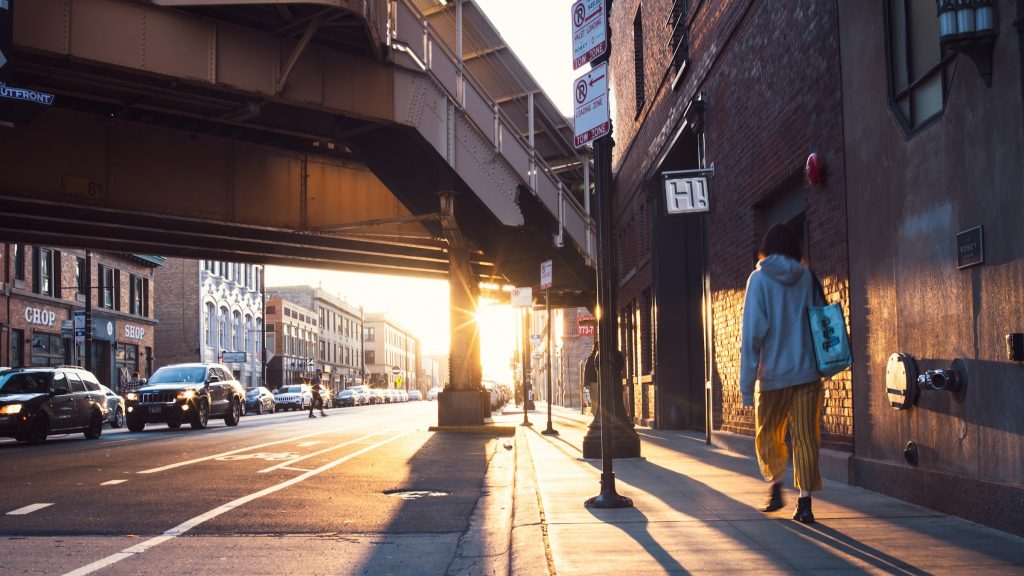
Later in the day, continue to the 606 Trail, an elevated walking and cycling path built on a former railway line. The trail runs through several neighborhoods and provides a unique perspective of residential Chicago.
Planning each day around nearby districts helps reduce travel time and transportation costs while still allowing visitors to see several different sides of the city during budget travel Chicago.
Costly Mistakes Budget Travelers Make in Chicago
Even well planned trips can become more expensive in Chicago when visitors overlook a few city specific details such as parking, festivals, or tourist areas.
Booking hotels during major convention or festival periods
Chicago regularly hosts large conventions at McCormick Place, as well as major events such as Lollapalooza and the Chicago Marathon. During these periods hotel prices across the city rise sharply, even outside downtown. Checking the event calendar before booking accommodation can help avoid unexpected price spikes.
Assuming all attractions are in the Loop
Many first time visitors stay in the Loop expecting to walk everywhere. While the area is central, accommodation there is usually more expensive than nearby neighborhoods such as Logan Square or Uptown, which are still connected to downtown by the CTA train system.
Driving into downtown Chicago
Parking in the Loop and near Michigan Avenue is among the most expensive in the city. Garages can charge high daily rates, and traffic congestion during rush hours can make driving slow. For most visitors, CTA trains are a cheaper and easier option.
Taking rideshare from O’Hare instead of the Blue Line
Many travelers automatically order Uber or Lyft at O’Hare International Airport, but this is usually one of the most expensive ways to reach downtown. The CTA Blue Line train runs directly from the airport to the Loop and several neighborhoods along the way.
Eating along Michigan Avenue or inside Navy Pier
Restaurants directly on the Magnificent Mile or inside Navy Pier often charge higher prices aimed at tourists. Walking a few blocks into nearby neighborhoods usually leads to noticeably cheaper dining options.
Skipping free cultural attractions
Some travelers spend money on multiple paid attractions while overlooking places that are free. Locations such as the Chicago Cultural Center, Lincoln Park Zoo, and sections of the Lakefront Trail provide memorable experiences without requiring tickets.
Trying to visit the lakefront and distant neighborhoods in the same day
Chicago covers a large area, and crossing the city multiple times in one day can increase transportation costs. Planning each day around one district or nearby neighborhoods usually keeps both travel time and expenses lower.
Forgetting about Chicago’s high restaurant tax and tipping culture
Restaurant bills in Chicago include local sales taxes that push the total tax to around 10 percent, and tipping around 15 to 20 percent is generally expected. Travelers who only consider the menu price may underestimate how much meals actually cost.
Understanding these city specific mistakes helps travelers organize their trip more efficiently and keep daily spending under control while planning Chicago on a budget.
Visiting Chicago Without Overspending
Chicago can seem expensive at first, especially when hotels downtown, observation decks, and popular attractions dominate most travel guides. In reality, many of the city’s best experiences cost little or nothing if travelers focus on the right neighborhoods and plan their days carefully.
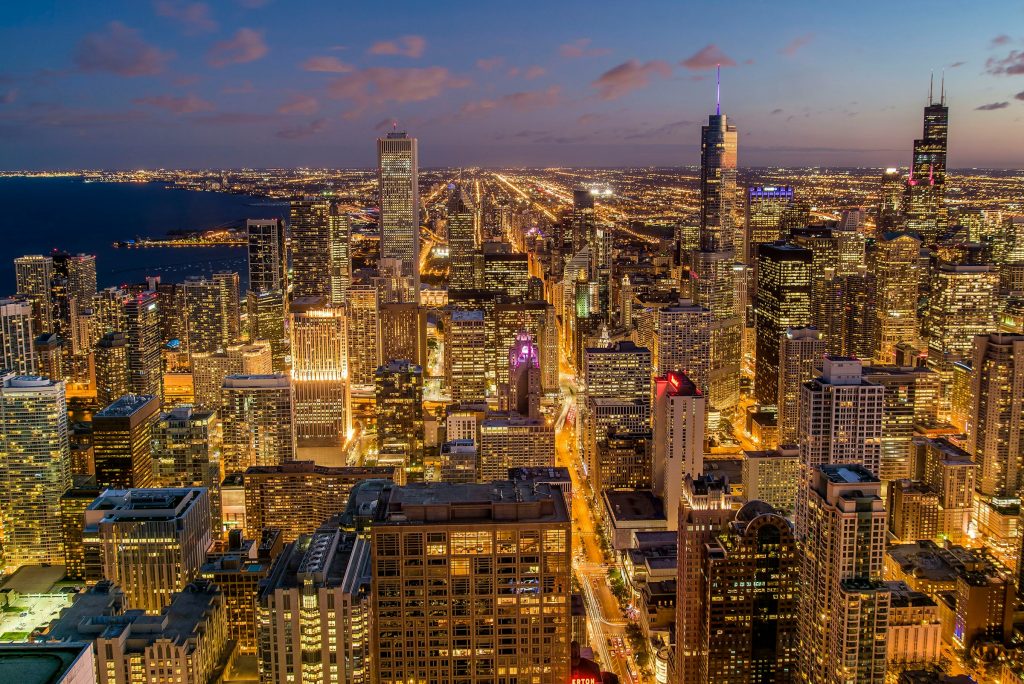
Keeping the trip affordable usually comes down to a few practical choices. Staying near CTA train lines makes it easier to move around the city without relying on rideshare services, while choosing neighborhoods slightly outside the Loop often reduces accommodation costs. Exploring lakefront parks, walking the Chicago Riverwalk, and visiting places such as the Chicago Cultural Center or Lincoln Park Zoo also provide memorable experiences without requiring large entrance fees.
With realistic expectations about distances and smart use of public transportation, visiting Chicago on a budget becomes much easier. By combining free attractions, neighborhood dining spots, and well located accommodation, travelers can experience the city comfortably while keeping daily spending under control.